
Abstract
The fragility of digital data as a means of storing our images, texts and finances, is well-known to anyone who has ever experienced a failed hard drive, with vital work still to be backed up. Curators worldwide are charged with finding means of safely preserving all the born digital and digitised material in their collections. Yet the likelihood that technologies and generally accepted methods for data preservation utilised at the start of their time in post, are likely to be vastly different in every way, later in their career. We are already aware of many of the technical issues faced in longer-term digital preservation, redundant software and file formats, data storage hardware failure, bit rot literally breaking down data over time, to name but a few. However, these may be the least of the issues facing our particular digital works in any archive, supposing there is no funding for further vital migration, or the archive has newer material that is considered more important, or simply that our, yet unborn, great-great-grandchildren have very different aesthetic tastes and do not like or value our particular collection.
My talk proposes an alternative approach to very long-term digital preservation where our most important and significant works of art can be safely preserved for centuries into the future, by utilising a proven technology many hundreds of years old and also an inexpensive solution for anyone to archive their research in this way.
Biography
During the 1970s to 1990s, Graham Diprose worked as a freelance advertising photographer in Central London. In the 1980s he was appointed Lead Tutor in Photography within the Faculty of Design at the London College of Communication, now part of University of Arts London. From 2011 he became Lead Tutor at Speos Institute’s new London School. Speos is the only Independent Photography School in Europe accredited to award full Masters Degrees. He also Co-Authored ‘Photography: The New Basics’ textbook for Thames & Hudson, in 2012 which is in the libraries of most UK Arts orientated Universities. It was also published in the United States, and translated into Mandarin Chinese.
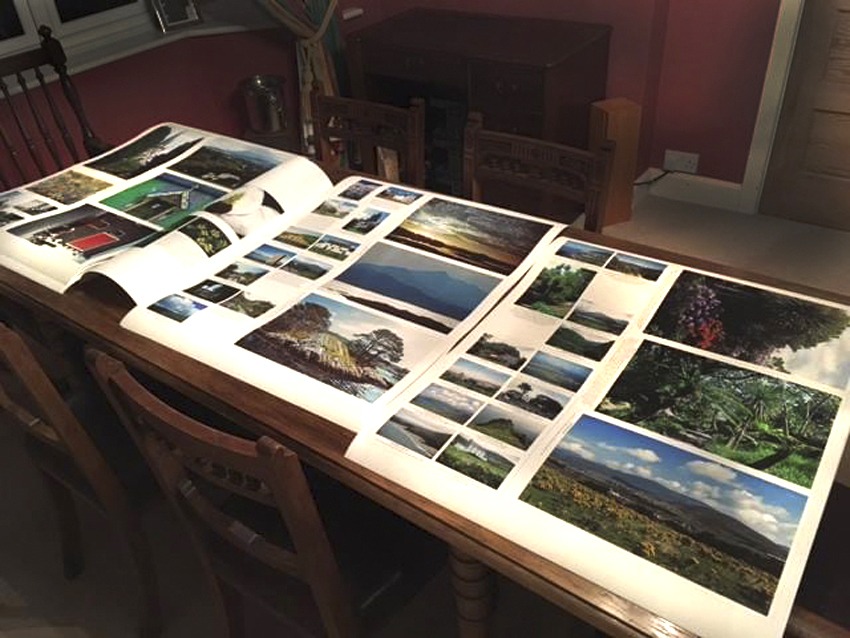
Graham worked on two ‘Then and Now’ photographic documentation projects about the River Thames, and realised that due to the fragility of digital image data, there was a considerable risk that the pictures taken 150 or 75 years ago, might well outlive the new versions that he was shooting with todays technology. As a result, his work is now archived in the Museum of London, and English Heritage as archival pigment prints. In 2019 he collaborated on a further project using this concept, with University College, Oxford.
Until July 2025, Graham was chair of the EVA London Conference on Electronic Visualisation and the Arts, with a special interest in assisting early career digital artists and continues to sit on their Organising Committee.
Publications by Graham Diprose
The full texts are in the Library, which opens with the course password, for students and speakers.
- The Digital Lens. Jonathan P. Bowen, Tula Giannini, Terrence Masson, Giuliano Gaia and Graham Diprose. Proceedings of EVA London 2023.
- A 21st Century ‘Victorian’ Family Album. Graham Diprose and Amalia Toyas. Proceedings of EVA London 2019.
- An Alternative Method of Very Long-term Conservation of Digital Images and their Historical Context for the Archive, University College, Oxford. Graham Diprose, Michael George and Robin Darwall-Smith. Proceedings of EVA London 2018.
After the session
Session highlights
The main ideas, techniques and terms from the talk, with links for going further, will be published here after the session on Tuesday 22 December 2026.
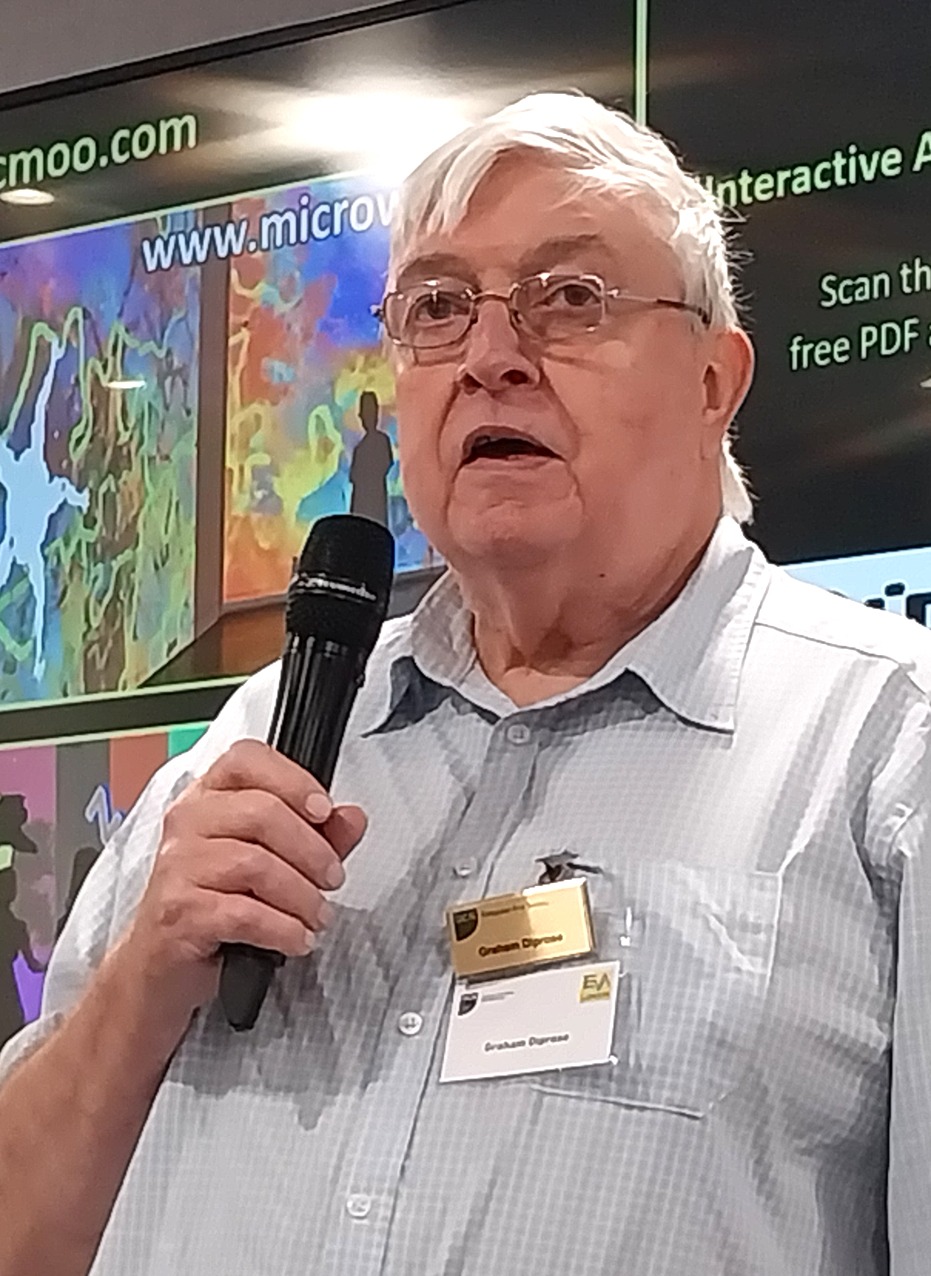
Graham Diprose
Independent photographer and author, United Kingdom.
Contact and links
Email: grahamdiprose [at] gmail.com
Next session: Stefan Simon. All ten sessions