
Abstract
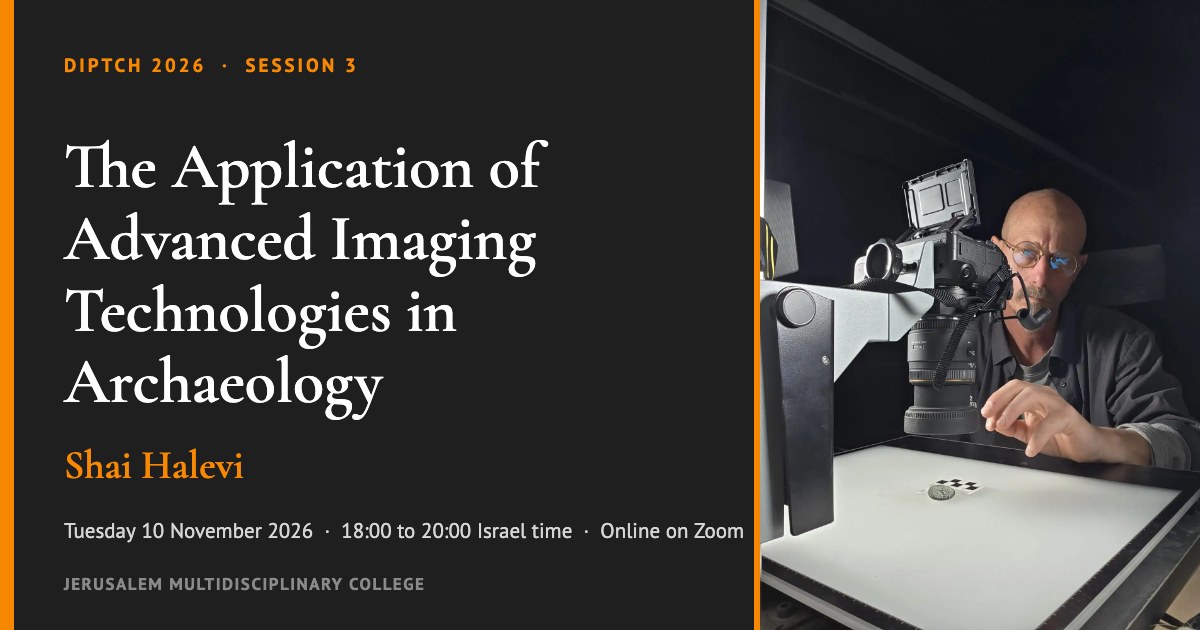
The lecture will deal, in accordance with the title, with the technological uses that I make use of in the framework of archaeological documentation.
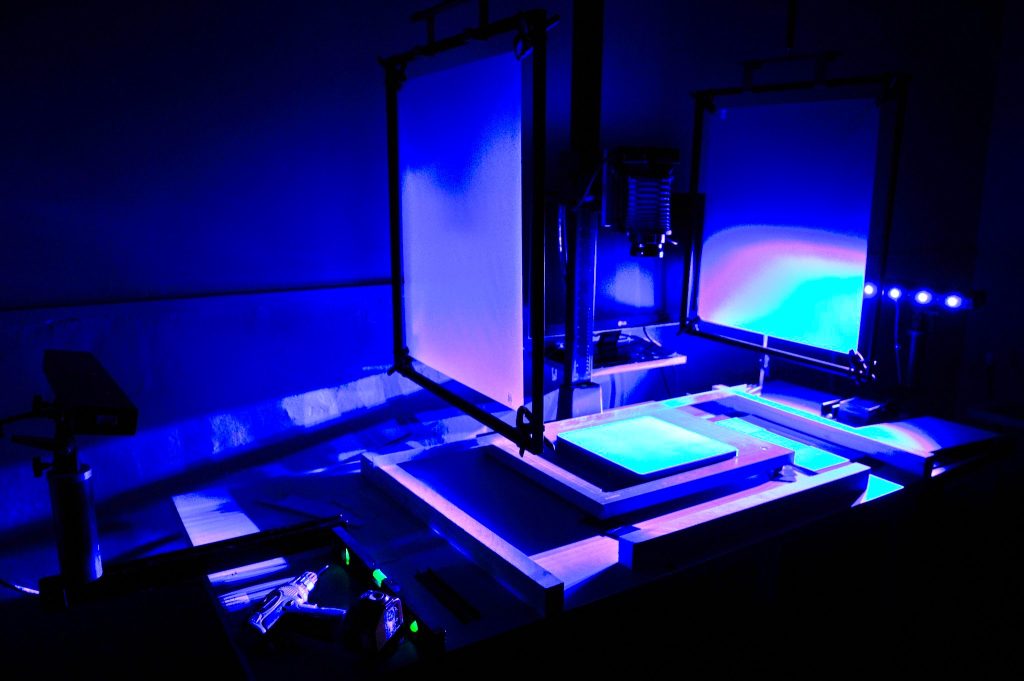
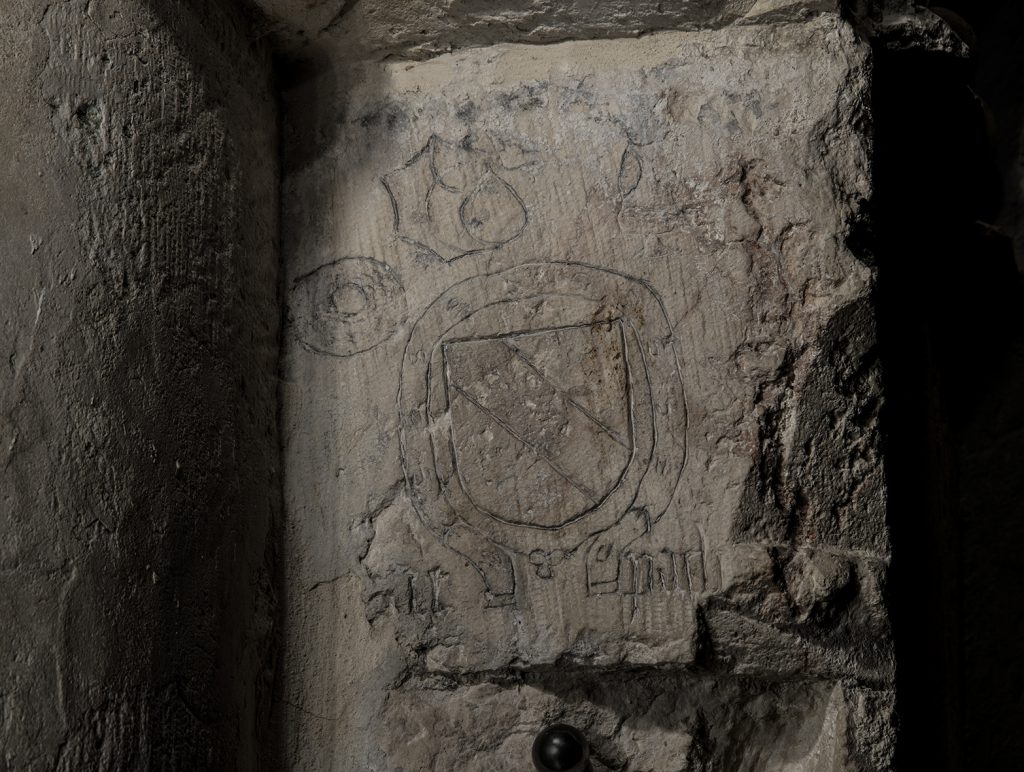
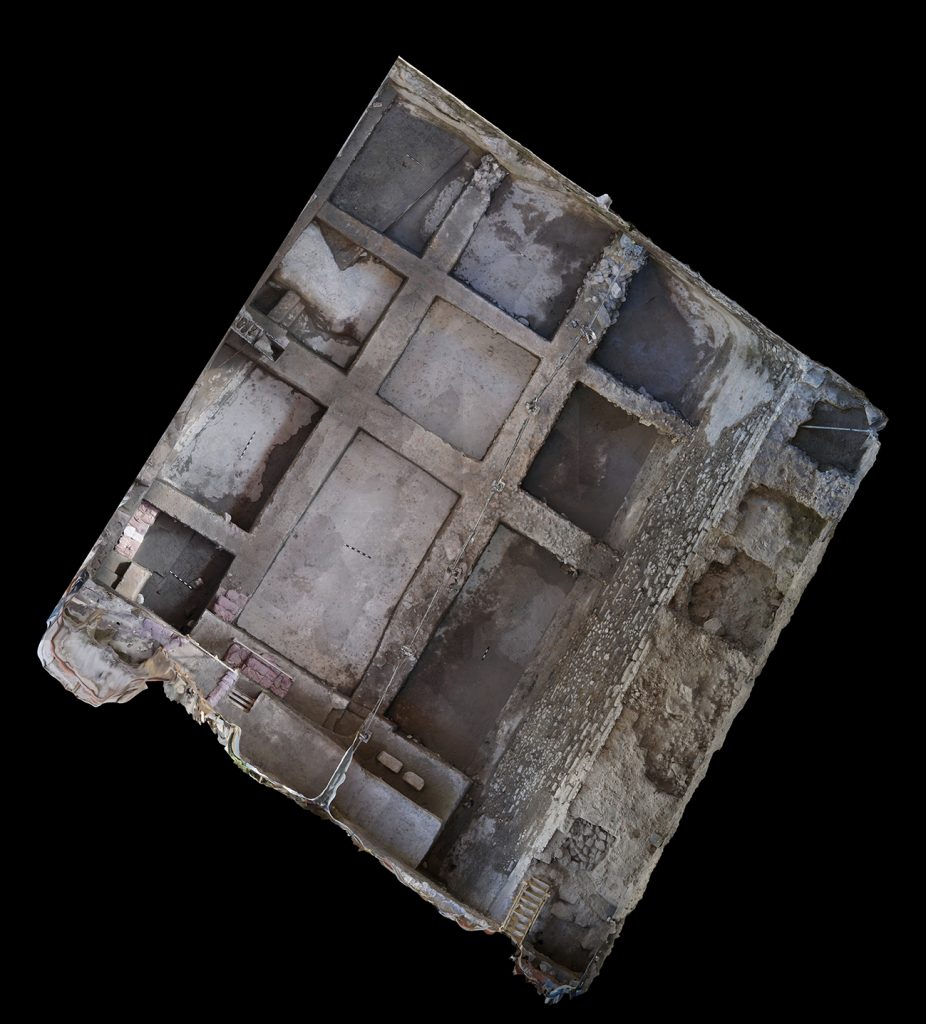
During the lecture, I will present my work through the combination of three advanced methods of documentation: multispectral photography, RTI, photogrammetry. The three methods, which connect to the classical documentation methods, photography and painting, complete a fascinating image that succeeds in penetrating through the layers of time and revealing hidden elements while providing the possibility of a virtual return to the site or object from a geographical and temporal distance.
These methods, which can be defined as remote sensing methods, provide not only a virtual return but a real archaeological and historical investigation with great precision and detail.
The demonstrations that I will present in the lecture will touch on both objects and sites, all part of my joint work at the Antiquities Authority.
Biography
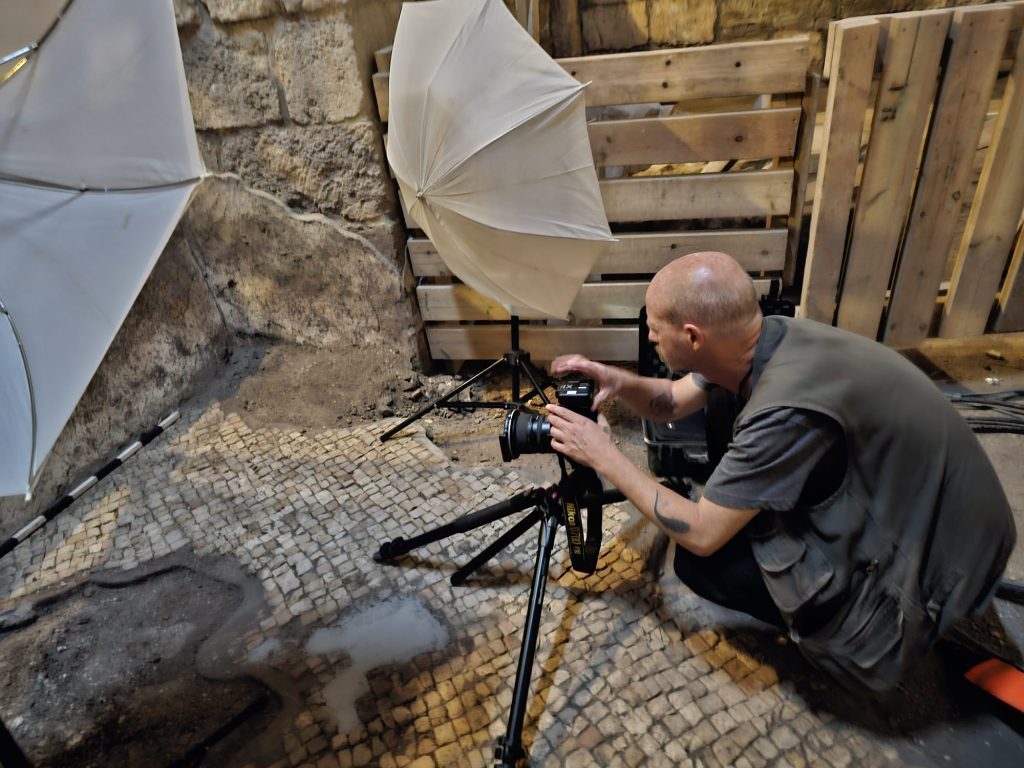
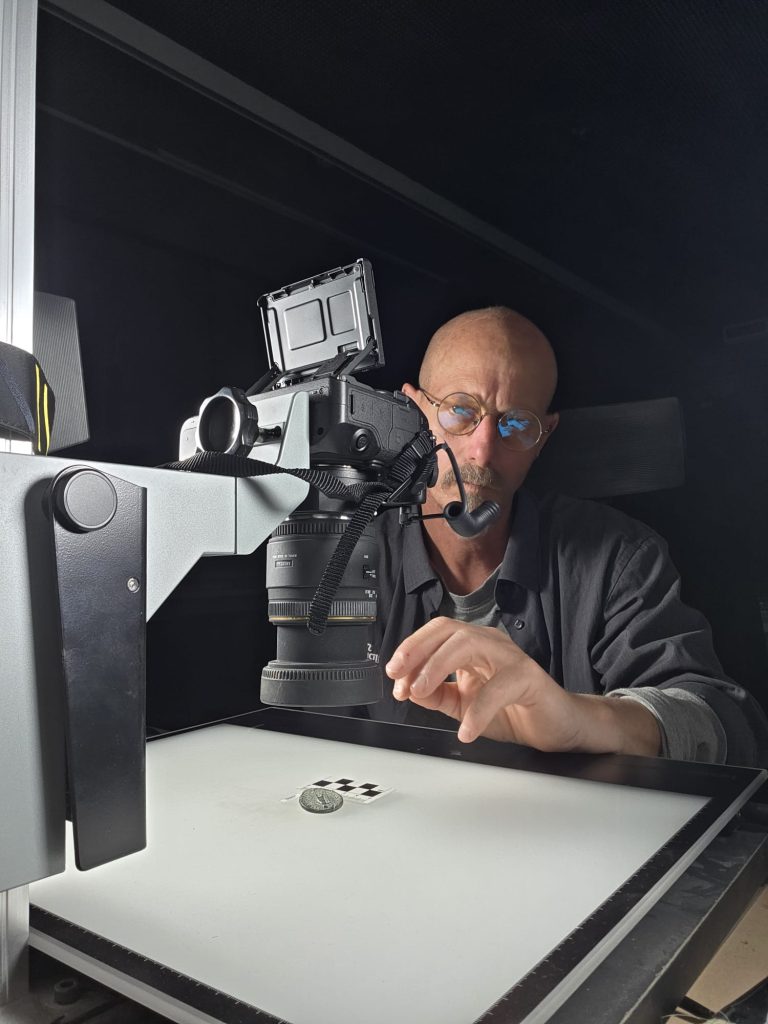
Shai Halevi is an art and archaeology photographer, formerly a freelance photojournalist and studio photographer. He currently documents sites in the Jerusalem area and Judea for the Israel Antiquities Authority, utilizing advanced technological tools.
Publications by Shai Halevi
The full texts are in the Library, which opens with the course password, for students and speakers.
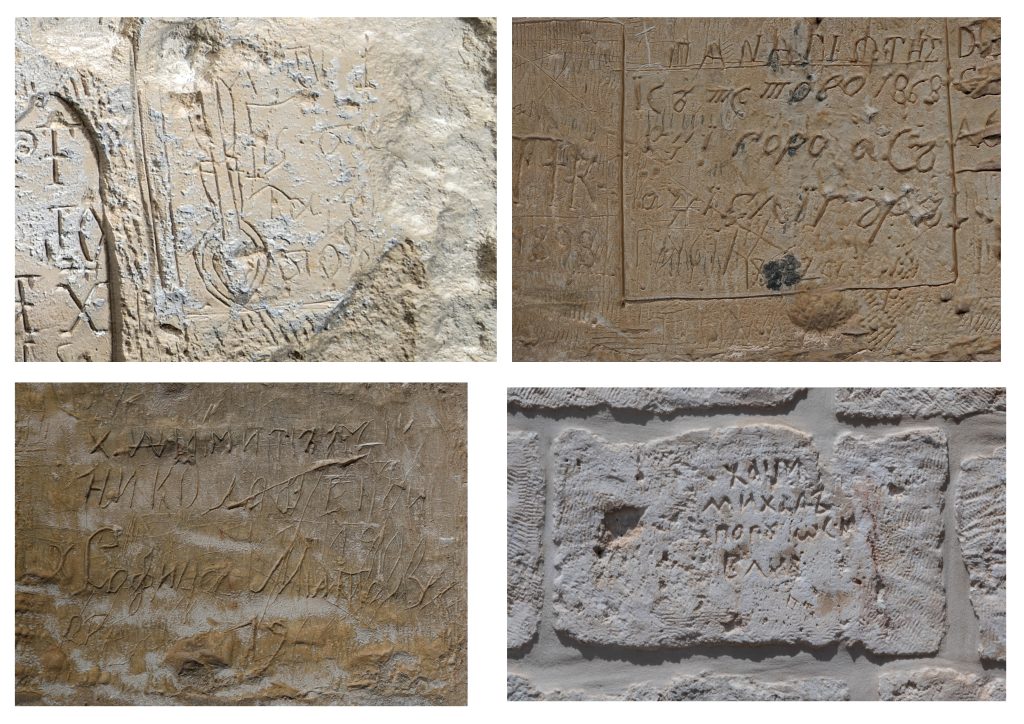
- Graffiti and Other Evidence of Bulgarian Pilgrimage to Jerusalem in the Ottoman Period: A Photographic Survey. Michael Chernin and Shai Halevi. ‘Atiqot 116, 2024. Online: ‘Atiqot journal site.
- Searching for Changes: The Use of High-Resolution Multispectral Imaging for the Very-Long-Term Monitoring of the 2,000-Year-Old Dead Sea Scrolls. Joseph Uziel, Gregory Bearman, Shai Halevi, Ken Boydston and Henry Wilhelm. Archiving 2026 (e-Proceedings).
- The Holy Compound on Mount Sion, An Epigraphic Heraldic Corpus (Part 1): The Walls of the Cenacle. Shai Halevi, Ilya Berkovich, Michael Chernin, Samvel Grigoryan and Arsen Harutyunyan. Liber Annuus 74 (2024), pp. 331-374.
- Ten Years of Multispectral Photography of the Dead Sea Scrolls: Achievements, Challenges and Thoughts for the Future. Shai Halevi, Israel Antiquities Authority. In Hebrew; the English title is a translation.
After the session
Session highlights
The main ideas, case studies, techniques and terms from the talk, with links for going further.
Read the highlights
Shai Halevi
Digital Imaging Leader, Israel Antiquities Authority.
Contact and links
Email: 2eshaie [at] gmail.com
Next session: Sorin Hermon. All ten sessions