
Abstract
The conservation profession has changed and shifted over the last 100 years. Its beginnings are characterized by an apprentice-based work model, requiring mostly great manual dexterity, followed by the introduction of science and technology in the aid of the conservator. During the last century, conservators have used science as an aid for rationally based decision-making processes as opposed to decisions based on subjective criteria like taste and budget. Nowadays, the discourse is shifting back to a more critical understanding of the weight given to science in conservation and its ability to promote a holistic approach for treatment. Many museums have also learned to harness science, and particularly digital imaging, in order to engage audiences around the world with cultural heritage. The central role of imaging in conservation is present in all these shifts of practice and thought.
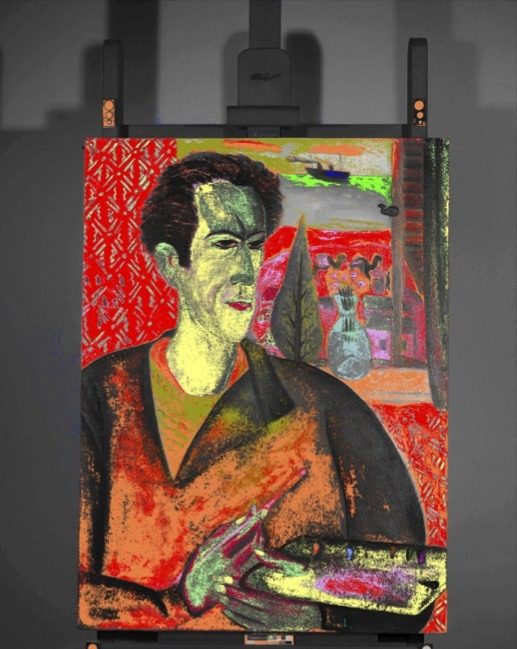
The lecture will include an historical overview of the various questions asked by conservators in the museum sphere, on a variety of cultural items made from different materials in different periods, while enabling the participants to understand the conservation context of the various imaging techniques. These will include the early uses of X-radiography, UV, visible, NIR and multi-band imaging, followed by RTI, CT and Hyper-spectral Imaging. Examples will include conservation projects from around the world and from the Conservation Department at the Israel Museum.
Biography
Sharon Tager is Head of Conservation at the Israel Museum, Jerusalem. She obtained her MA in Art History and Theory from Goldsmiths College, University of London in 1997, and graduated as a painting conservator after completing the three year postgraduate program at The Courtauld Institute, University of London in 2001. Sharon practiced as a conservator in the U.K. and in Israel, working on both national and private collections. Her particular interests lay in conservation emergency preparedness for cultural heritage, the formation of a database for artist interviews for Israeli artists and the challenges of preservation and conservation of contemporary art in the museum sphere.
After the session
Session highlights
The main ideas, case studies, techniques and terms from the talk, with links for going further.
Read the highlights

Sharon Tager
Head of Conservation, The Israel Museum, Jerusalem.
Contact and links
Email: sharonta [at] imj.org.il
Next session: Shai Halevi. All ten sessions